

Blog
Mostly science writing and a few rants

Why Modern Medicine Fails to Heal Chronic Illnesses
Statue of the Greek healing god Asclepius taken at the archaeological site Empúries in Catalonia, Spain.


How to heal your gut
Ever since I was a little kid I have had stomach issues- vomiting, susceptible to stomach bugs, gas, bloating, etc. You name it, I’ve experienced it.
Unfortunately, as I grew older into my adult years, I didn’t outgrow my sensitive stomach. I finally went to a gastroenterologist who concluded that despite my symptoms of heartburn, gas, bloating and diarrhea, all I had was a mild case of acid reflux for which he prescribed me stomach acid blocking medicine.
I left his office infuriated because I knew that an antacid would not solve my underlying digestive issues, so I started to do my own research about digestive health and the gut microbiome and the role diet and lifestyle play in overall gut health, which has led me to publish various peer review articles about the gut microbiome and overall health. With some dietary and lifestyle changes I healed my gut which has greatly impacted my overall health and energy levels.

The alarming rate of obstetric violence in Spain and worldwide
I chose this image because it illustrates how disturbing medical interventions can be during birth that are unnatural and negatively affect mother and child. For example, Cesarean birth rates are far above 10% of all births, which the WHO recommends. The baby should be immediately placed on the mother’s chest to comfort mother and baby, stimulate oxytocin and milk production, and delayed umbilical cord clamping is recommended to prevent infant anemia. And lastly, look at how they are holding this baby who has just entered into this cold world with little reverence or respect.
The horrifying rate of obstetric violence during pregnancy and childbirth remains largely undocumented or talked about, yet luckily some recent studies are bringing to light this humans rights issue that greatly needs to be researched more and prevented.
Obstetric violence is defined as verbal or physical abuse or disrespect during pregnancy, childbirth and postpartum period— a particularly vulnerable time for any woman— which unsurprisingly leads to long-term adverse effects for both mother and infant. Moreover, women who are adolescent, unmarried, of low socio-economic status, from ethnic minorities, migrants or living with HIV are at greater risk of suffering disrespectful and abusive treatment (1).


Could telomeres be the key to aging?
They say aging is just a number, but what if it actually has more to do with your telomere length?
The alkaline diet is a myth!
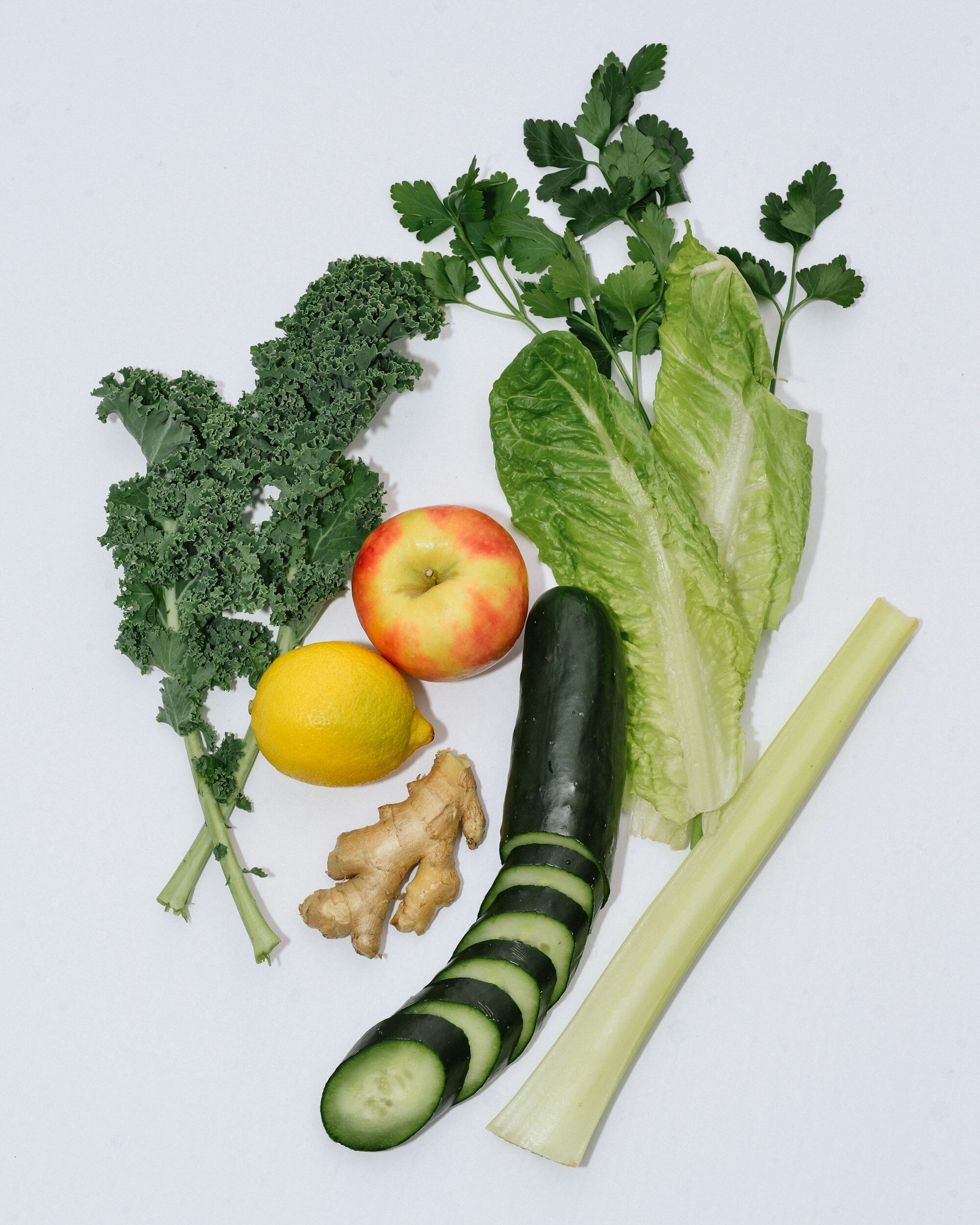
The diet dogma pervades, this time it’s with the alkaline diet that promotes eating “alkaline” foods to help prevent the blood from becoming too acidic.
I recently listened to an online webinar given by a so-called nutrition “expert” who has studied many nutrition modalities and was promoting the notion of eating alkaline foods, mainly fruits and vegetables and some grains and legumes, in order to keep your blood pH healthy. Although she didn’t explicitly say this, her message was quite clear that she was not a fan of eating meat, dairy, or fermented foods because they are very “acidic.” She also mentioned that studies have shown that cancer cells grow in more acidic environments.

What is quantum biology?
Traditionally, quantum principles have been applied to physics and environments that are not warm and wet, i.e. the human body. Today, the emerging field of quantum biology explores the mechanisms and phenomenon of non-trivial quantum effects in living cells (i.e. quantum tunneling, quantum coherence, quantum entanglement, etc.). These phenomena occur at the subatomic level (protons, electrons, neutrons) and perhaps even smaller subatomic units.
I believe quantum biology opens up new possibilities for understanding human biology, healing, and cell-to-cell communication, and more efficiently in a more efficient way than creating ATP in our mitochondria. Moreover, I think quantum biology is a microcosmic representation of the Hermetic saying, “As above, so below.” More on that later.

Could the gut microbiome be the key to better aging?
While many would like to discover the fountain of youth, the secret to aging gracefully might lie, in part, in our gut.
Although researchers now know that the gut microbiome changes as humans age and that age-related diseases may also affect the gut microbiome, how targeting the gut microbiome may lead to healthier aging or reduce the risk of age-related diseases it is still unknown. Besides genetics, diet and other lifestyle factors such as medication use and social interactions, the gut microbiome may therefore be a key factor in healthy aging.

Dietary patterns associated with autism spectrum disorder more than specific gut microbiome associations
April is World Autism Awareness Month which raises awareness about these conditions that impact communication, social interaction and behavior affecting about 1 in 160 children worldwide and 1 in 44 in the US.
There is a growing interest in the role diet plays in behavior, yet current studies have yielded inconsistent results directly linking the gut microbiome as the cause of certain behaviors such as anxiety and depression.
Probiotics vs prebiotics: which is better for gut health?
There has been a recent explosion in research that shows that our gut flora is linked to so many diseases-- cancer, autism, diabetes, heart disease, Alzheimer’s-- and the list goes on and on.
The microbes that inhabit our guts consist of about two million genes compared to only about 22,000 genes humans have, and they’re constantly affecting our health.
You can think of our gut microbiome as a rainforest. The more variety and number of species that inhabit our guts, the healthier the ecosystem of our intestinal flora will be.
Diet and food components shape the gut microbiome
The gut microbiota is linked to so many aspects of our health, and several recent studies have observed an imbalanced gut microbiota, also called dysbiosis, in conjunction with various non-infectious diseases such as obesity, diabetes, cardiovascular diseases and gastrointestinal disorders such as irritable bowel disease.
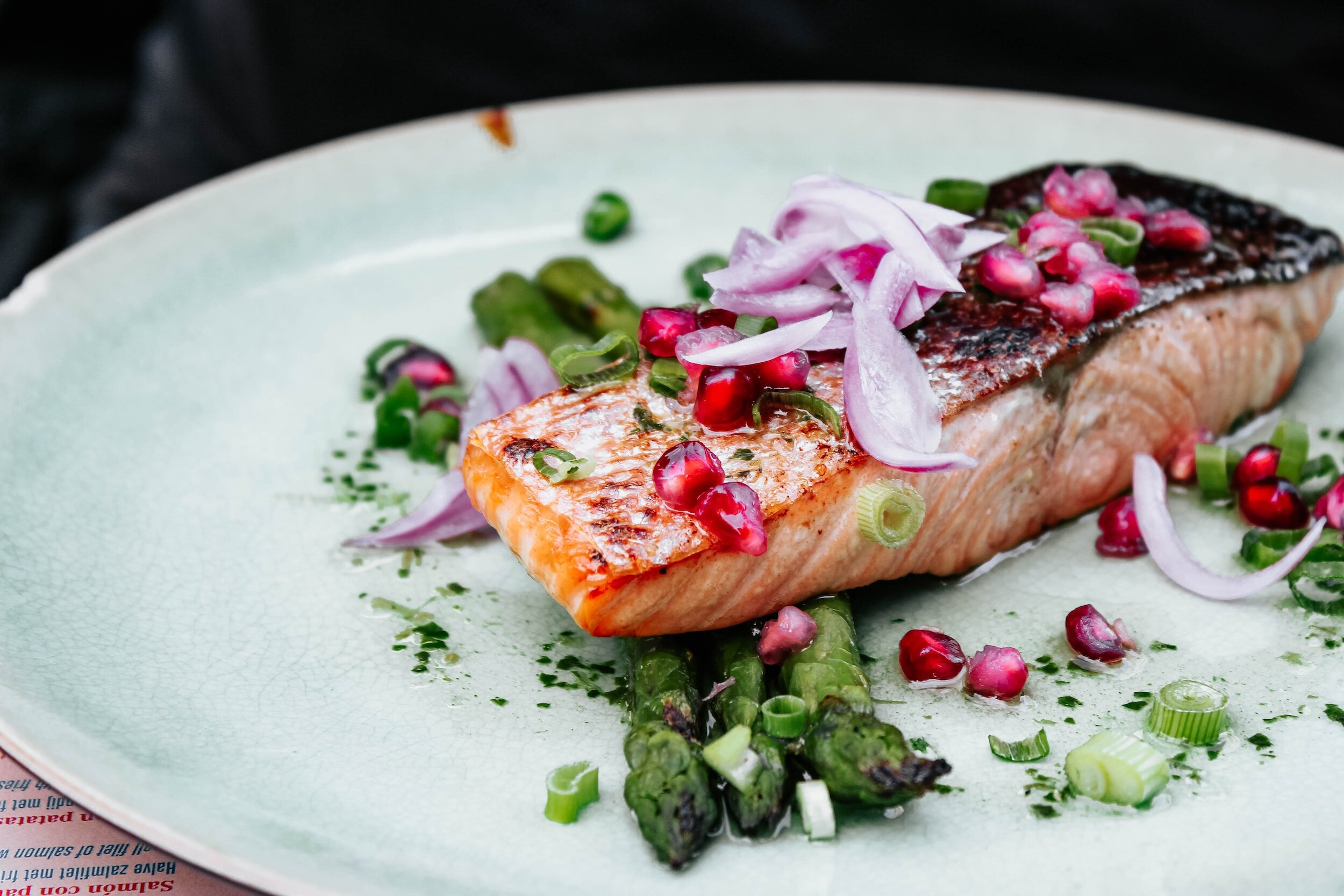
Luckily there are tangible ways we can change our gut microbiota composition. Diet has been shown to greatly impact the gut microbiota composition, which consequently also affects the production of beneficial short chain fatty acid production, intestinal barrier function and immune health.

Gut microbiome diversity associated with sleep quality in healthy adults
Alterations of the gut microbiota have previously been observed due to sleep deprivation. A novel study shows the close crosstalk between sleep quality and gut microbiome diversity, which is mediated by the pro-inflammatory cytokine IL-6.
Poor sleep quality is a widespread problem and has been associated with several diseases in humans such as cardiovascular disease and cancer. Previous research has reported that the human gut microbiota may express endogenous circadian rhythms, together with findings showing alterations of the gut microbiota in response to sleep deprivation. On the other hand, the gut microbiota and its metabolites regulate the immune system including cytokine activity via bidirectional signaling of the brain-gut-microbiome axis, which may influence sleep and circadian rhythm.

Mediterranean diet: why would it be beneficial for the elderly?
A new study performed in the elderly from five European countries reveals that following a Mediterranean diet may positively affect the gut microbiota and health in this population.
Diet plays a crucial role in our overall and microbiome health, and the elderly are particularly vulnerable to suffering age-related health complications which could be related to changes in their diets.

Exercise and metabolism: what role does the gut microbiome play?
Increasing evidence suggests that imbalanced gut microbiota may play a role in insulin resistance in Type 2 Diabetes patients and exercise has shown to have positive effects on the gut microbiome and metabolism.
Several studies over the past decade have associated the gut microbiome and metabolic disorders such as obesity and type 2 diabetes (T2D), yet the exact mechanisms are not fully understood.

Gut microbiota response to red meat associated carbohydrates may affect human health
As a healthcare professional you may be aware that many dietary guidelines recommend limiting the consumption of red meat. Recent mechanistic research on the gut microbiota could finally settle the debate regarding the impact of red meat in health.

Demographic, environmental, and host genetics and the gut microbiome in healthy individuals
Inter-individual gut microbiome variation remains one of the major caveats in this field of research. Scientists from different countries update the role of socio-demographic and environmental factors in inter-individual gut microbiome variation in healthy French adults.
Although the gut microbiome remains relatively stable throughout adulthood, various environmental factors such as disease, and diet have been reported to affect the gut microbiota composition. Although host genotype may influence relative abundance of microbial taxa, only few associations between host genetics and gut microbiota diversity have been found. Thus, inter-individual gut microbiome variation remains largely unexplained.

The human gut virome is stable and highly individual over time
Viruses are the unknown studied members of the gut microbiome. A new metagenomic analysis in healthy adults reveals that fecal viruses show a high stability, individual specificity, and correlation with the bacterial microbiome for 1 year.
Besides bacteria, researchers have begun to study archaea, fungi, protozoa and viruses of the human gut microbiome. Although it is now known that the human gut microbiome contains several viruses, most of which are bacteriaphages, little is known about the human gut virome partly due to limitations in analyzing the fecal virome with the current metagenomic and bioinformatic protocols and technology. In fact, the human gut virome has been called “viral dark matter” because taxonomic classification of bacterial viruses is largely unknown due to the high inter-individual variation of species, lack of a universal gene marker like 16S ribosomal ribonucleic acid (rRNA) for bacteria, and viral databases that are largely incomplete.

Akkermansia muciniphila, a bacterium that may help reduce metabolic syndrome
The commensal bacterium Akkermansia muciniphila has garnered considerable attention for its association with leanness as well as for its other health benefits in relation to obesity, excess weight and type 2 diabetes.
The gut microbiota is now believed to be a factor involved in the onset of cardiometabolic disorders such as obesity. In human and rat studies, the commensal* bacterium Akkermansia muciniphila– which is naturally present in large quantities in the gut microbiota of healthy people – has been gaining a lot of attention for its association with leanness and for producing several health benefits against obesity and type 2 diabetes.

Higher mucins production and an imbalanced gut microbiota found in Crohn´s Disease remission patients
Scientists struggle to understand why some gut bacteria are sensitive to antibiotics while a fraction of them survive treatment. New research in mice reveals that gut microbial metabolism alongside diet play a key role in modifying the extent of gut microbiome disruption in response to antibiotics.
Crohn’s Disease (CD) is one of the sets of inflammatory bowel disease (IBD) that consists of chronic inflammation of the terminal ileum, that can extend throughout the gastrointestinal tract. Researchers have focused more on the role the gut microbiota plays in CD over the years to better understand disease progression. Increased endotoxemia, inflammation, fungal loads and changes in the gut microbiota composition, as well as altered mucins production have been observed in CD patients compared to healthy populations.