

Blog
Mostly science writing and a few rants
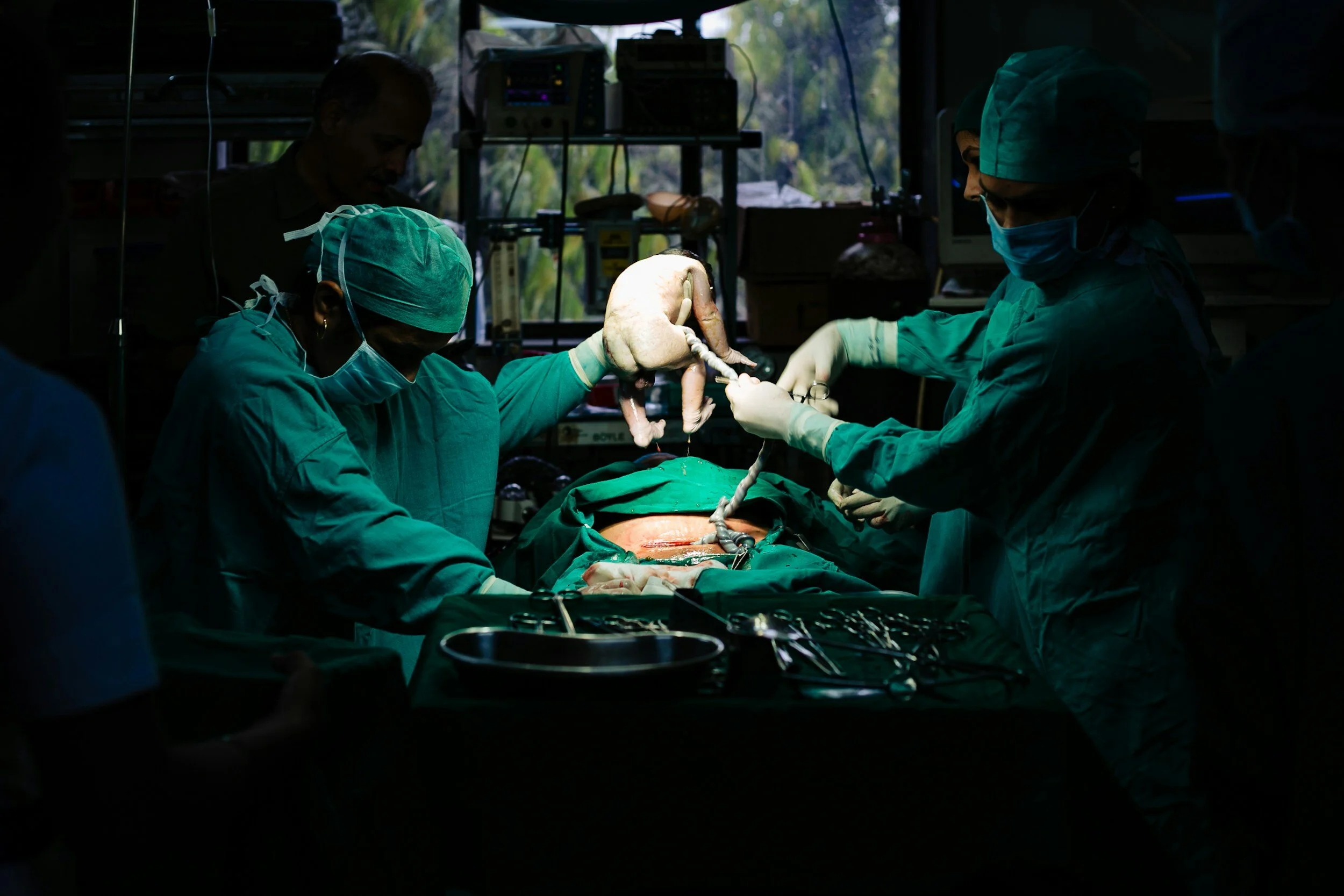
The alarming rate of obstetric violence in Spain and worldwide
I chose this image because it illustrates how disturbing medical interventions can be during birth that are unnatural and negatively affect mother and child. For example, Cesarean birth rates are far above 10% of all births, which the WHO recommends. The baby should be immediately placed on the mother’s chest to comfort mother and baby, stimulate oxytocin and milk production, and delayed umbilical cord clamping is recommended to prevent infant anemia. And lastly, look at how they are holding this baby who has just entered into this cold world with little reverence or respect.
The horrifying rate of obstetric violence during pregnancy and childbirth remains largely undocumented or talked about, yet luckily some recent studies are bringing to light this humans rights issue that greatly needs to be researched more and prevented.
Obstetric violence is defined as verbal or physical abuse or disrespect during pregnancy, childbirth and postpartum period— a particularly vulnerable time for any woman— which unsurprisingly leads to long-term adverse effects for both mother and infant. Moreover, women who are adolescent, unmarried, of low socio-economic status, from ethnic minorities, migrants or living with HIV are at greater risk of suffering disrespectful and abusive treatment (1).

Nursing vs pumping: Breastfeeding practices may affect the transfer of maternal bacteria to the infant gut
The infant gut microbiome is characterized as low in diversity that’s dominated primarily by bifidobacteria and unique to the individual. During approximately the first three years of life, the gut microbiome develops and is largely shaped by various factors including delivery mode (vaginal vs Cesarean birth), maternal antibiotic use, home environment and breastfeeding vs formula feeding. The gut microbiome is later influenced by diet and how long the child was breastfed which affects the gut microbiota composition later in early childhood.
Several recent studies have shed light on the benefits breastmilk have on infant health and their developing gut microbiomes because it contains various components, such as beneficial bacteria, prebiotics called human milk oligosaccharides as well as immune cells, that confer long-term benefits for babies’ health including preventing malnutrition. Additionally, breastfed babies have been found to have less instances of allergies and metabolic disease, yet it is unknown how breastfeeding practices (i.e. nursing vs. pumping) affects the breastmilk composition and infant gut microbiome.
Pumping breastmilk has become a popular and convenient way for mothers to continue to feed their babies breastmilk, yet it is unknown as to whether this method affects the transfer of other non-milk-derived bacteria from the pump or bottles compared to maternal skin for example.